

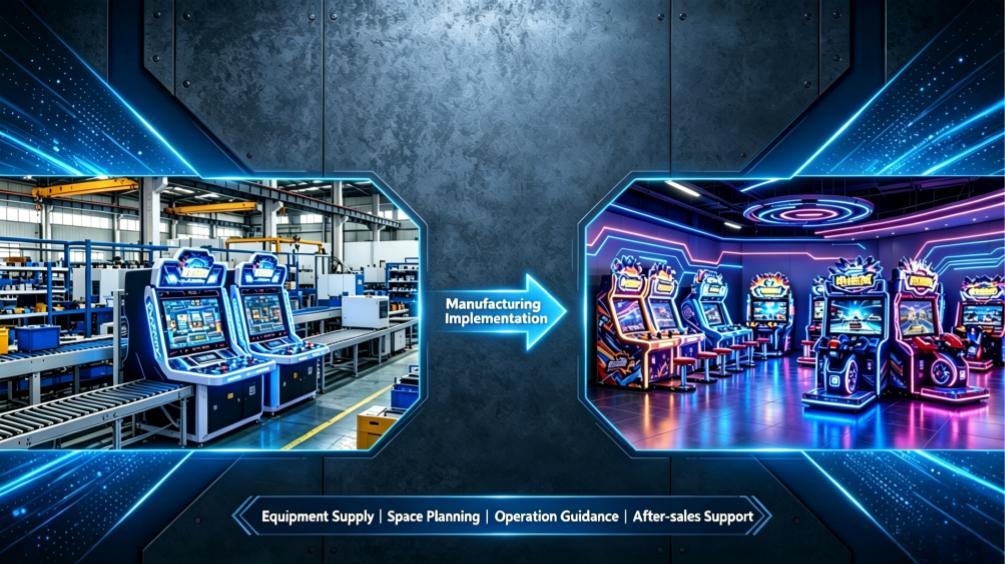
The most dangerous number in arcade purchasing is the machine price alone. A low invoice can look attractive until you add shipping, import duties, spare parts, maintenance, downtime, and lost revenue from broken cabinets. Smart buyers calculate ROI based on daily play frequency, average ticket or coin value, operating hours, and expected maintenance costs. Arcade machines are not just equipment; they are small revenue stations that must earn their space every day.
Start by estimating realistic daily plays. If a racing simulator attracts 40 plays per day at $2 per play, that is $80 daily before costs. Multiply by operating days, then subtract electricity, venue rent share, staff attention, and repair costs. This is where choosing a commercial arcade machines wholesale partner with stable quality becomes important. Machines that run consistently generate predictable revenue; machines that break often turn profit calculations into guesswork.
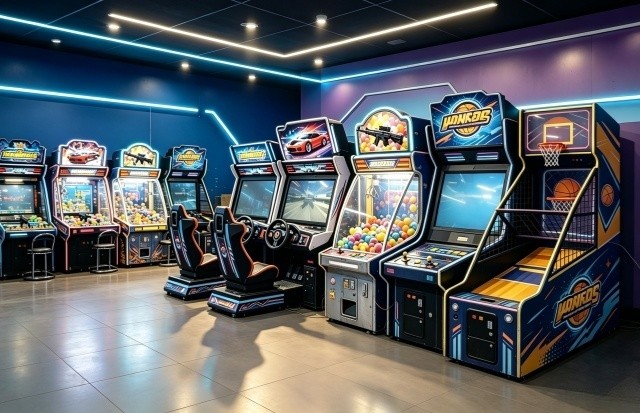
Next, consider product mix. A venue full of similar machines may look impressive, but it can limit repeat visits. A better layout usually includes racing simulators, shooting games, ticket redemption, VR experiences, kids’ rides, and prize counters. An experienced FEC equipment supplier can help you balance high-attraction machines with high-margin machines. Some cabinets bring crowds; others bring steady coin flow. Both are needed.
Finally, do not ignore after-sales support. Remote guidance, spare parts availability, clear wiring diagrams, and responsive communication can protect your ROI more than a small discount. The best arcade game machine manufacturer does not just sell machines; it helps you keep them earning. If your supplier asks about your venue size, customer age group, and local preferences, take it as a good sign.




 Scan to add on WeChat